
Canary care, colours and song types
Species Overview
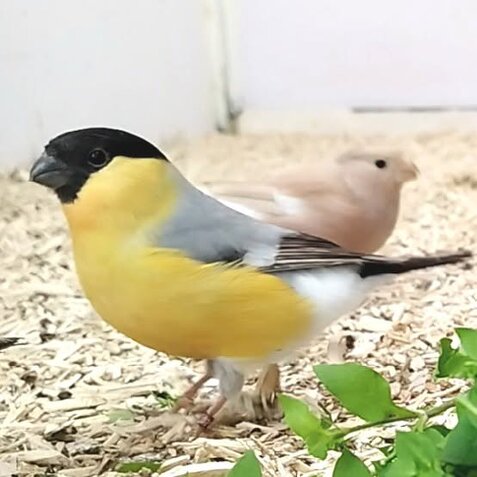
Canaries kept in the UK are usually grouped into three broad types: colour canaries, type (or posture) canaries, and song canaries. Colour canaries are bred mainly for plumage, with shades such as yellow, white, red-factor, and variegated birds. Type canaries, like the Norwich, Border and Gloster, are bred for body shape and feather type. Song canaries, such as the Hartz Roller, Timbrado and Waterslager, are selected for particular styles of song. Many birds show a mix of colour and type features, but responsible breeders always prioritise health, strong constitution and good temperament over extreme appearance or song traits..
Most Canaries are naturally gentle, self-contained birds that are pleasant to watch and listen to rather than to handle frequently. Unlike hand-tame parrots, they are not usually birds that enjoy being picked up, and too much handling can be stressful. For patient beginners who are happy to provide good housing, diet and routine, Canaries can be an excellent first cage bird. They are generally hardy if well cared for, but they do best in a calm household with steady routines, protection from drafts and fumes, and a willingness to learn basic health checks and nail/beak care when required.
Canaries are active fliers and need more horizontal space than many people expect. A single Canary should have a cage long enough for short flights, with safe bar spacing and at least two or three natural perches of varying thickness to protect the feet. Avoid round cages and cluttered layouts; instead provide clear flight paths, a few well-placed perches, and access to seed, soft food, fresh water and bathing water. Larger indoor flights or outdoor aviaries give even better welfare, provided they are predator-proof, sheltered and secure. Good ventilation without drafts, protection from kitchen and chemical fumes, and a regular cleaning routine for perches, trays and drinkers are all essential for long-term health.
A good Canary diet starts with a clean, good-quality canary seed mix, refreshed daily and stored carefully to avoid damp and contamination. Seed alone is not enough: most birds benefit from a suitable egg or soft food, especially during moult and breeding, plus regular small portions of safe greens (such as chickweed, dandelion leaves, and washed dark leafy vegetables) and other fresh foods. Take care with oily seeds and treats, as overuse can quickly lead to obesity and liver problems. Grit is not essential if a complete diet is provided, but a cuttlefish bone or mineral block is useful for calcium and beak conditioning. Any changes to diet should be made gradually so that birds continue to eat well.
Before breeding Canaries, make sure you have the time, space and knowledge to rear and house all potential youngsters. Pairs are normally set up in the spring with healthy, fully mature birds in good body condition. Provide an appropriate nest pan, safe nesting material, and a quiet, stable environment. Typical clutches are 3–5 eggs, and chicks require high-quality soft and egg foods several times daily, alongside the parents’ normal diet. Hens must not be pushed into repeated or out-of-season clutches, as this can severely harm their health; most keepers limit hens to a small number of nests per year. Any signs of difficulty laying, poor parenting or chick illness should prompt prompt advice from an experienced breeder or avian vet.
Healthy Canaries are alert, well-feathered and active, with clear eyes, clean nostrils and steady breathing. Common problems include mites (which may cause itching, scaly legs or beak changes), respiratory issues linked to drafts, dust or infections, overgrown nails or beak, and digestive upsets, sometimes related to sudden diet changes or spoiled food. Sudden changes in song, posture, droppings or weight should be taken seriously, as small birds can become very ill in a short time. An avian veterinarian is always the best source of diagnosis and treatment; home remedies and random medications can easily do harm. Good hygiene, quarantine for new birds, and sensible stocking levels are the foundations of good welfare.
Domestic Canaries are not native wild birds in the UK, so the legal framework is usually simpler than for British finches. You must still meet general animal welfare duties, providing suitable housing, diet, veterinary care and enrichment, and you must not cause unnecessary suffering. Any buying, selling or advertising of Canaries should follow current consumer and online advertising rules, and birds should only be sourced from reputable breeders or outlets where their origin and health are clear. If you also keep native British finches, be aware that additional licences, closed ringing and record-keeping may apply to those species even if they are kept alongside Canaries. Always check current UK guidance, as regulations can change over time.
Use the links below to explore related information on this site. The Species Overview page gives a quick guide to all the finches and Canaries covered. You can also browse recent articles, or, if you are a member, submit questions and carefully checked sale or wanted adverts through the Ads & Questions page.