
Button Quail care, housing and compatibility
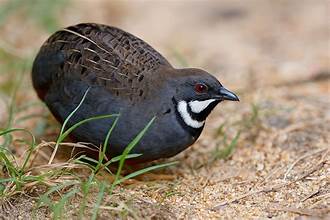
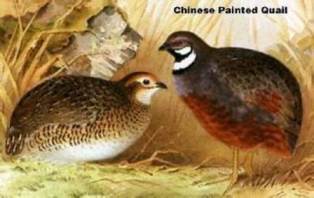
Button Quails (also known as Chinese Painted Quails or King Quails) are tiny, ground-dwelling gamebirds often kept at the bottom of finch and canary aviaries. They are not true quails in the pheasant family but belong to the genus Coturnix/Excalfactoria-type micro quails, bred in captivity worldwide.
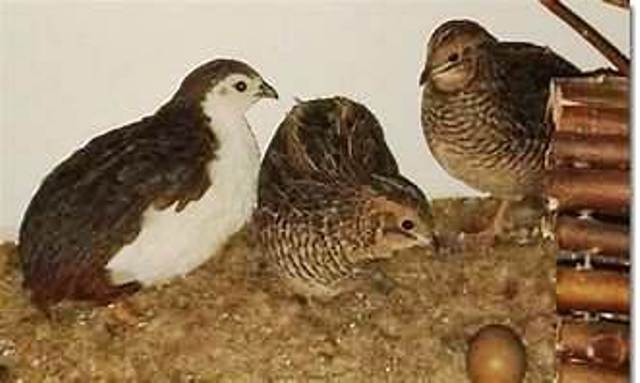
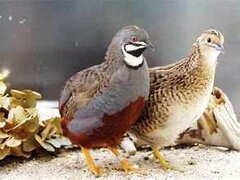
Adults are roughly the size of a small finch, with rounded bodies, short tails and strong legs built for running rather than flying. Colour varieties include wild-type, silver, blue, pied and more, but welfare and health matter more than colour.
In mixed aviaries they act as “floor cleaners”, picking up spilled seed and scratching through substrate. They are naturally shy and prefer to stay close to cover, making a well-designed ground area essential.
- Average length: around 10–12 cm
- Average weight: 40–60 g
- Lifespan in captivity: typically 3–6 years, sometimes longer with good care
- Activity: mainly ground-dwelling, short fluttering flights when startled
- Noise: soft peeps and calls, generally quieter than most finches
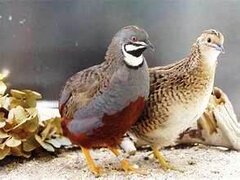
Button Quails are generally gentle, nervous little birds that prefer to avoid conflict rather than start it. Kept as pairs or small groups, they are active on the ground, dust-bathing, foraging and chatting quietly to one another.
They are usually suitable for mixed finch and canary aviaries provided that:
- The aviary is large enough, with a generous, uncluttered floor area.
- There are plenty of visual barriers and hideaways so quails can retreat.
- Perches and nest sites for finches are high up, leaving the floor to the quails.
- Any strongly territorial or aggressive birds are housed separately.
Button Quails are not ideal “petting” birds – they do not enjoy handling and can panic if chased or grabbed. They are best appreciated by watching their natural behaviour. For households, they suit calm environments without boisterous children or pets that can harass them through the wire.
Noise level is usually low: males can call, but it is far less intrusive than many parrots or some canary songs. For neighbours, a well-housed group of Button Quails is unlikely to be a noise concern.
Because Button Quails live on the ground, floor space matters more than height. They should never be kept in small cages designed for perching birds.
Minimum space and layout
- Provide a large, secure aviary or flight with a generous footprint; the more floor area the better.
- A low, wide indoor cage can work for a pair, but it must allow them to run freely and include hiding spots.
- Ensure the roof has some padded or flexible areas if they are likely to flush upwards when startled, to reduce the risk of head injuries.
Substrate and cleaning
- Use a dry, absorbent substrate such as clean sand, hemp, wood shavings (dust-extracted) or a mix of soil and leaf litter for natural foraging.
- Spot clean droppings daily and replace soiled areas regularly to prevent smell and disease.
- A removable tray or easy-access floor makes cleaning much simpler, especially under finch perches.
Hiding places and enrichment
- Provide low shelters such as wooden boxes on their sides, plant pots, artificial plants or clumps of hay.
- Offer dust-bathing areas with dry sand or fine soil.
- Scatter some of their daily seed ration so they can scratch and forage naturally.
Escape risk and predator protection
- Button Quails are quick runners and can slip through surprisingly small gaps – mesh and doors must be secure.
- Use fine-gauge mesh on any external aviary to protect against rats, mice and wild predators.
- Ensure there are no sharp edges or loose wires at ground level.
Keeping with finches and managing droppings
- Position finch perches and nest boxes high so most droppings fall to a removable tray, not directly onto the quails.
- Clean and replace the floor substrate more often if many finches are housed above.
- Monitor that Button Quails are not being chased from food by more dominant birds; add extra ground-level feeding points if needed.
Button Quails are seed-eating gamebirds that also need protein and green foods. A varied, balanced diet is essential for health and good feather condition.
Staple foods
- Start with a good quality small quail, gamebird or finch mix as the base diet.
- Include small seeds (such as millet and canary seed) that are easy for them to pick up.
- A small amount of higher-protein pellets or crumble formulated for quail or gamebirds can be useful, especially in cooler weather.
Protein and soft foods
- Offer extra protein during moult and breeding: for example, egg food, soaked seed, or live/frozen insects (mealworms, mini mealworms, small crickets).
- Provide these in moderation to avoid obesity and soiled floors; remove uneaten soft food daily.
Greens and extras
- Provide safe greens such as chickweed, dandelion leaves, grass heads and small amounts of lettuce or spinach.
- Avoid anything sprayed with pesticides or collected from polluted areas.
- Occasional small bits of chopped vegetables or herbs can add variety.
Grit, calcium and water
- Provide access to mixed grit suitable for small birds to help digestion.
- Offer a calcium source such as cuttlefish bone or mineral blocks, especially for laying hens.
- Fresh, clean water must be available at all times in shallow dishes that quails can reach easily but cannot tip over.
Button Quails are prolific breeders if conditions are right. Before allowing them to breed, think carefully about space, homes for youngsters and the time needed to care for them.
Basic breeding behaviour
- Pairs or trios may form naturally; males display by calling and circling the female.
- They make simple scrape nests on the ground, often tucked under cover such as grass, hay or low shelters.
- The hen usually lays a clutch of small, speckled eggs and incubates on the ground.
Nest sites and safety
- Provide quiet, sheltered corners with extra cover if you intend to breed them.
- Ensure other birds in the aviary cannot easily disturb the nest.
- Protect nests from damp and draughts, especially in cooler UK weather.
Avoiding overpopulation
- Only breed if you have a clear plan for housing or rehoming young birds responsibly.
- Limit breeding by removing eggs (replacing with dummy eggs if needed) or separating sexes outside of a planned breeding period.
- Do not allow repeated clutches that exhaust the hen; rest birds between breeding attempts.
This page gives only a brief overview. If you intend to breed Button Quails seriously, consult more detailed guides and experienced keepers, and ensure you understand any UK rules that apply to selling or moving birds.
Good husbandry prevents most common problems in Button Quails. Observe your birds daily so you notice changes early.
Common issues
- Injuries from panic flights: startled birds can shoot upwards and strike the roof; padding problem areas helps.
- Foot and leg problems: wire floors, damp bedding or dirty surfaces can lead to sore feet and infections.
- External parasites: mites and lice can affect quails kept in poorly cleaned or overcrowded conditions.
- Internal parasites: worms and coccidiosis are possible where hygiene is poor or wild birds have access.
Preventative care
- Keep housing dry, clean and well-ventilated without draughts.
- Use appropriate, non-toxic disinfectants and clean food and water containers regularly.
- Quarantine any new birds before adding them to an existing group.
- Check birds routinely for weight, feather condition and any signs of injury or lameness.
When to seek veterinary help
- If a bird is fluffed up, not eating, struggling to stand or breathing heavily, seek advice from an avian vet promptly.
- Sudden deaths, blood in droppings or repeated injuries are all warning signs that need investigation.
Welfare should always come before breeding plans or colour projects. If you are unsure about any aspect of care, ask an experienced keeper or vet rather than guessing.
Button Quails kept in the UK are usually domesticated forms, but keepers are still responsible for meeting all general animal welfare requirements and for complying with any local rules about bird housing and noise.
Welfare and record keeping
- You must provide adequate food, water, housing, veterinary care and the ability to express natural behaviours, in line with UK animal welfare principles.
- Keep basic records of where your birds came from and where they go if sold or rehomed.
Buying, selling and advertising
- Source Button Quails from reputable breeders or outlets, avoiding illegally imported or poorly kept birds.
- When selling or rehoming, be honest about age, health and any known issues.
- Any adverts placed through this club must follow our welfare and legal rules; birds that appear unfit, overcrowded or poorly described may be refused.
Outdoor housing and neighbours
- If you keep quails in outdoor aviaries, be considerate of neighbours and local regulations (for example, noise or planning rules in some areas).
- Secure housing is essential to prevent escapes and to protect birds from predators.
This page is an overview only and is not legal advice. For detailed guidance, check current UK legislation and local council rules, and consult official sources if in doubt.
The pages below provide more background on British finches and canaries, community support and how to place compliant adverts and questions.
Use them to explore wider husbandry information, check welfare and legal notes, and get in touch with the club if you need tailored advice about your Button Quails or mixed aviaries.